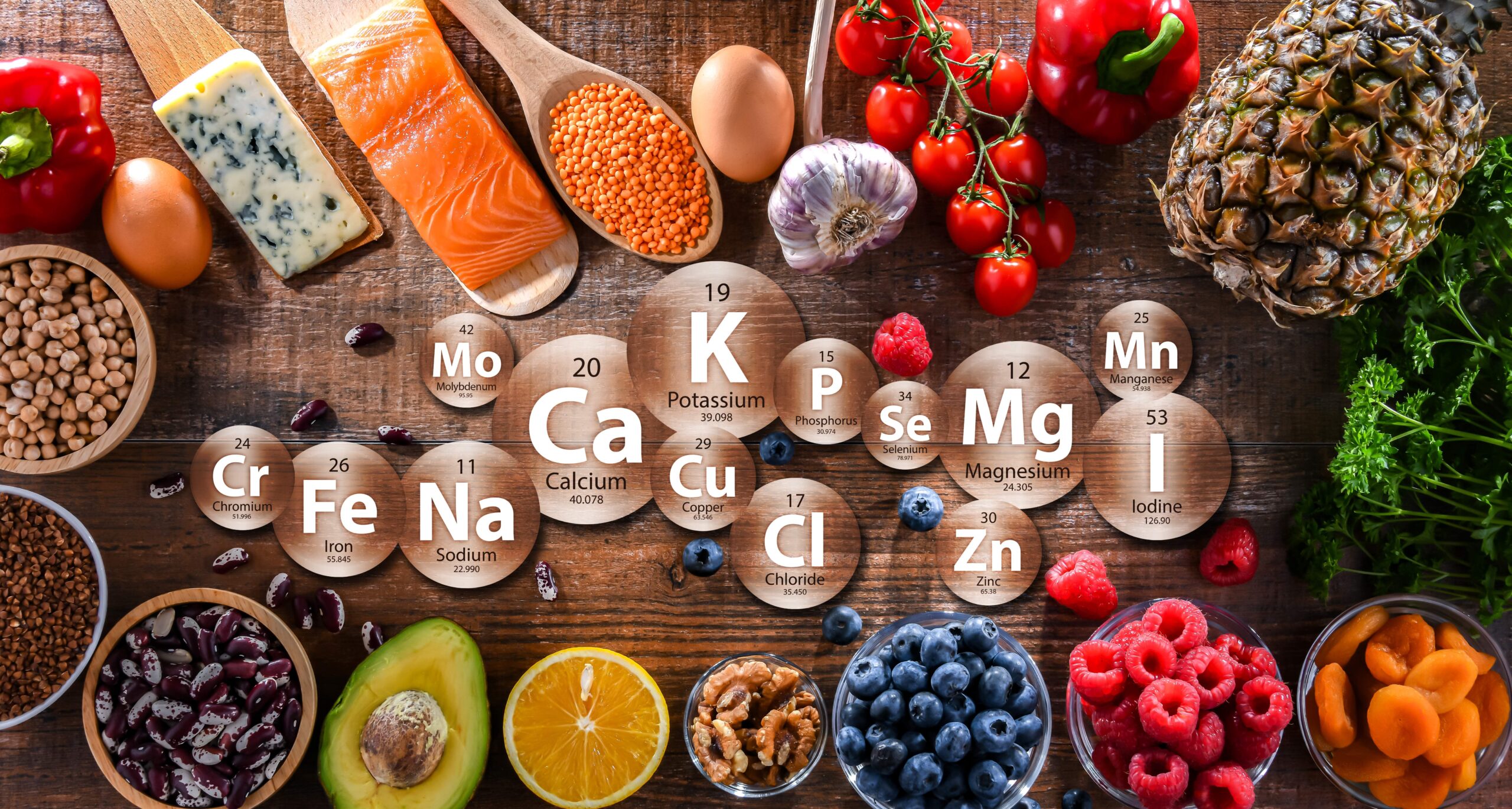
The Hidden Root of Muscle Tension, Brain Fog, and Heart Palpitations
You take your vitamins, eat reasonably well, and yet you still experience unexplained muscle twitches, afternoon brain fog, or an occasional racing heartbeat. Your doctor runs labs, finds nothing alarming, and suggests you’re just stressed. But what if the real culprit isn’t stress—it’s a mineral deficiency?
Minerals are the unsung heroes of cellular function. Unlike vitamins, which your body uses to facilitate reactions, minerals are the actual structural components and catalysts that power energy production, regulate your nervous system, and maintain steady heart rhythm. When minerals run low, symptoms appear—and they’re often dismissed as psychological or benign.
The Four Minerals You’re Most Likely Missing
Magnesium: The Calm and Energy Mineral
Magnesium is involved in over 300 enzymatic reactions, yet an estimated 50–80% of people don’t get enough. Deficiency shows up as muscle tension, restlessness at night, migraines, and that mental fog that coffee can’t fix. Magnesium is also essential for insulin sensitivity and blood sugar stability—two foundational pillars of metabolic health.
The problem? Modern farming depletes soil of magnesium, and stress burns through your reserves. Even if you eat leafy greens and nuts, absorption depends on stomach acid and gut health—both compromised in many chronic health situations.
Potassium: The Heart’s Rhythm Keeper
Heart palpitations, fatigue, and muscle weakness often point to low potassium. This mineral maintains the electrical gradients that regulate heartbeat and nerve signaling. Unlike sodium, which gets plenty of press, potassium is often overlooked in conventional nutrition advice. Real food sources—avocados, bone broth, leafy greens—contain potassium, but many people don’t eat them in quantity.
Zinc: The Immune and Metabolic Workhorse
Zinc supports immune function, thyroid health, and protein synthesis. Low zinc shows up as slow wound healing, frequent infections, hair loss, and impaired taste or smell. It’s also critical for neurological function and mood regulation. Plant-based eaters and those with digestive issues are at higher risk of deficiency because zinc from plants is less bioavailable than zinc from animal sources.
Iodine: The Thyroid’s Best Friend
Iodine is essential for thyroid hormone production. Without it, you experience fatigue, brain fog, weight gain, and cold intolerance—symptoms often attributed to low thyroid, when the real issue is insufficient iodine. Interestingly, iodine is not evenly distributed in food; it depends on soil iodine content. Sea salt, seaweed, and certain seafood are reliable sources, but many people avoid these or don’t eat them regularly.
Supplementation Alone Isn’t the Answer
Here’s where the functional medicine approach diverges from the supplement-everything model: taking isolated mineral supplements without addressing food quality, gut health, and mineral balance can backfire. Minerals work in relationship to each other. Too much calcium without magnesium, too much iron without copper, or zinc without considering its interaction with other minerals can create new imbalances.
Additionally, not all supplements are bioavailable. A magnesium oxide supplement sits in your gut largely unabsorbed; magnesium glycinate or malate enters your cells far more efficiently. The same is true for other minerals—form matters.
The Food-First Foundation
Before reaching for a bottle, focus on mineral-dense whole foods: bone broth (minerals and collagen), leafy greens (magnesium, iodine, zinc), shellfish and organ meats (zinc, iodine, copper), seeds and nuts (magnesium, zinc), and sea vegetables (iodine). These foods deliver minerals alongside cofactors that enhance absorption.
Your gut health also determines how well you absorb minerals. If digestion is compromised—low stomach acid, dysbiosis, or inflammation—even mineral-rich food won’t nourish you fully. This is why addressing digestive root causes is so important in functional medicine.
The Path Forward
If you’re experiencing unexplained muscle tension, persistent brain fog, or heart palpitations, mineral status is worth investigating. A functional medicine approach includes not just testing mineral levels, but understanding your digestion, stress load, food sources, and whether supplementation makes sense for your unique situation. The goal is balance—not more supplements, but the right minerals in bioavailable forms, supported by nutrient-dense food and a healthy gut.
Call 877-287-2843 or visit our contact page.