
Many individuals are told nothing is wrong, despite ongoing hormone-related symptoms such as fatigue, weight changes, sleep disruption, mood shifts, or metabolic changes.
Hormones don’t work in isolation—they operate in connected systems that regulate energy, structure, and balance.
Cortisol + Insulin = Energy Management System
Cortisol and insulin work together to manage how the body uses and stores fuel.
Cortisol → Releases energy now
Insulin → Stores energy for later
When the body is under stress or needs immediate energy, cortisol helps mobilize fuel so it’s available quickly. After eating, insulin helps move that fuel into storage so it can be used later.
Dysregulation can shift toward storing more energy than it uses efficiently, which may contribute to weight changes, fatigue, and blood sugar instability.
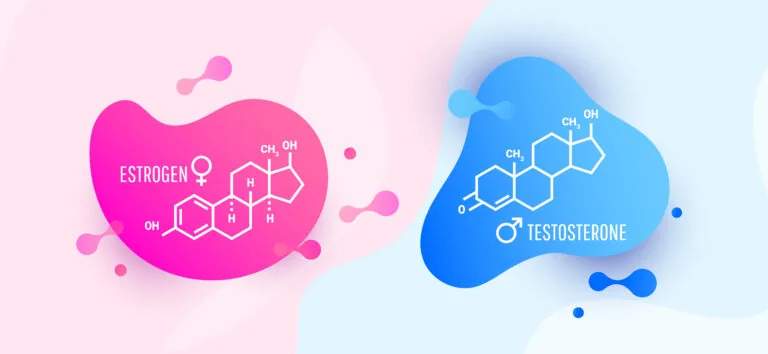
Estrogen + Progesterone + Testosterone = Reproductive and Tissue Regulation System
These three hormones work together to regulate how the body builds and maintains tissue, including muscle, fat distribution, and reproductive function.
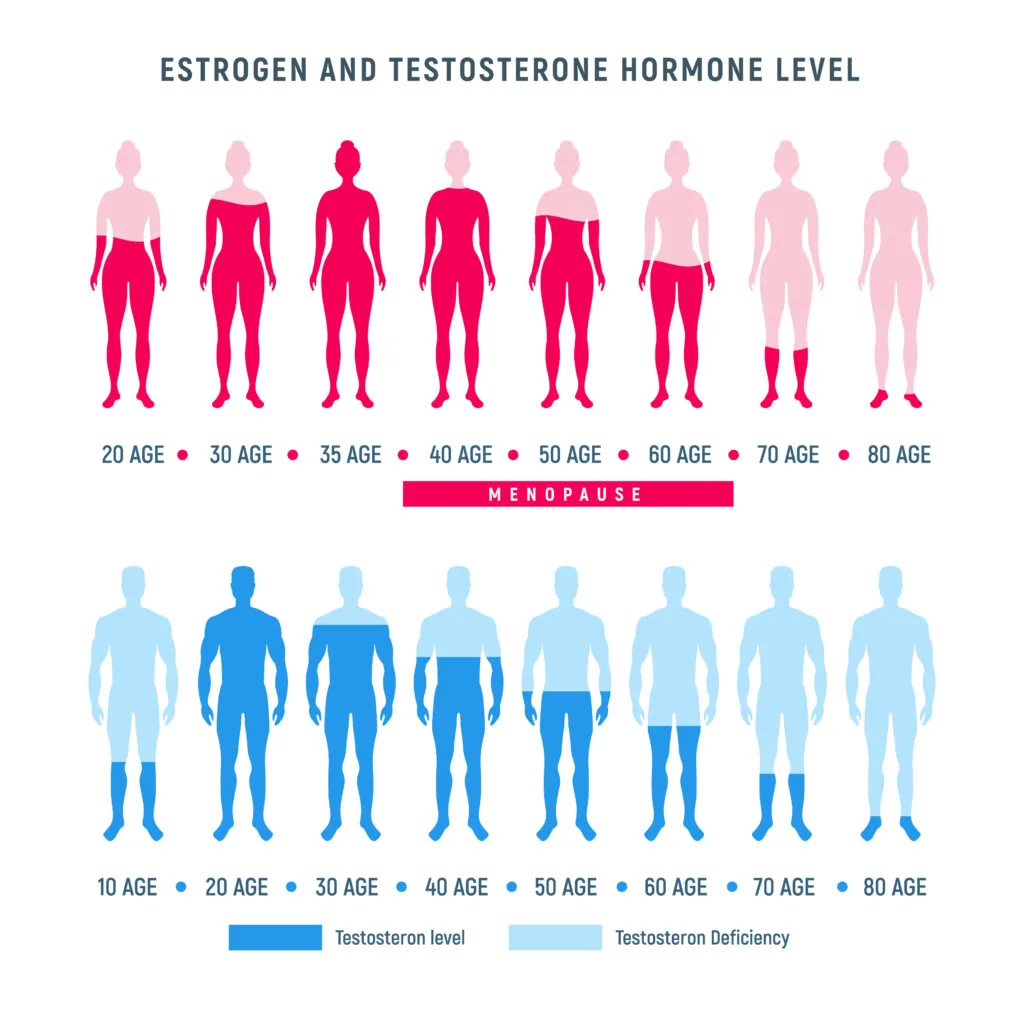
Estrogen → Supports energy, metabolism, and tissue function
Progesterone → Supports balance, recovery, and nervous system stability
Testosterone → Supports muscle maintenance, strength, and metabolic activity
Together, they influence how the body maintains lean tissue versus fat storage, as well as overall vitality and resilience.
We focus on the patterns that influence how hormones function over time.
Hormone shifts are often a reflection of how the body is adapting to internal and external demands—not a standalone issue.
This may include how the body is responding to stress, how it is processing and using energy, and whether it is receiving consistent support from daily habits and recovery.
When these patterns are out of sync, hormone signals often shift in response.
The focus is not only on what appears “out of range,” but what is not optimal, and what may be driving those changes so they can be better understood and supported over time.
Evaluation is individualized and guided by your health history, symptoms, and goals. When appropriate, this may include:
Targeted laboratory testing
Metabolic and glucose pattern assessment
Hormone-related markers
Digestive and nutrient-related indicators
Inflammatory patterns that can influence hormone regulation
Lifestyle, sleep, and behavioral patterns
The goal is to gather meaningful information that helps clarify how your body is functioning.
Your approach is guided by your individual findings and is refined over time as your body responds.
Care may involve nutrition and metabolic support strategies, lifestyle adjustments to improve sleep, stress, and daily rhythms, targeted supplementation when appropriate, hormonal support or therapy when clinically indicated, and ongoing evaluation and refinement of your plan.
We provide continued guidance because restoring hormonal balance and addressing underlying imbalances takes time, and care needs to evolve as the body responds. Treatment is not a one-time intervention, but an ongoing, individualized process that is adjusted based on progress and changing needs.
The focus is on building a sustainable, individualized approach rather than applying a one-size-fits-all protocol.
Two individuals with similar hormone-related symptoms may have very different underlying contributors.
Your body is not static, and your care shouldn’t be either. As your system changes, your plan should adapt—thoughtfully, intentionally, and with you at the center.
If you are experiencing hormone-related symptoms and are looking for a more comprehensive, personalized approach, CuraVida may provide a different path forward.
The next step is a discovery call to explore your concerns and determine whether this approach is the right fit for you.