Understanding Blood Sugar as a Signal of Metabolic Health
Blood sugar imbalance is often treated as a standalone condition, managed primarily through medication or short-term control strategies.
While these approaches can be important for stabilizing glucose levels, they may not always address the underlying metabolic patterns contributing to the imbalance.
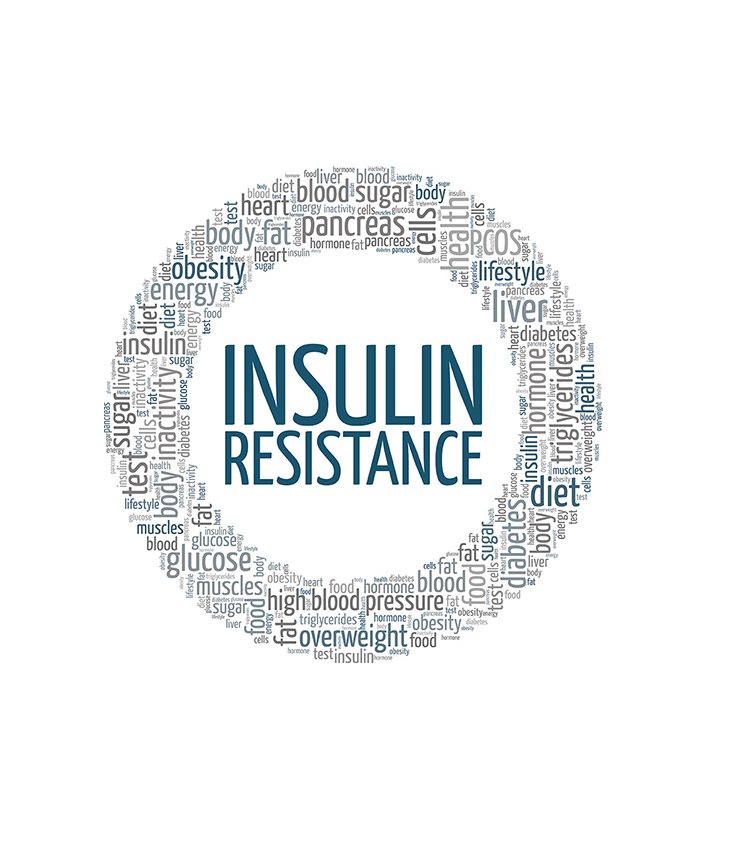
At its core, glucose dysregulation is often a signal that the body’s metabolic systems are not working efficiently reflecting how the body is handling energy, hormones, stress, and nutrient availability.
We look beyond glucose numbers to better understand what may be driving these patterns.
From Management to
Understanding
At CuraVida Wellness Solutions, the focus shifts from simply responding to blood sugar readings to interpreting what those patterns reveal about underlying metabolic function.
This includes helping individuals understand:
Glucose Patterns
What glucose levels look like throughout the day and what those patterns can reveal about metabolic function.
Daily Influences
How meals, stress, sleep, and activity shape glucose rises and dips in real time.
Hormonal Regulation
How insulin and other hormones coordinate blood sugar stability—and why imbalances can occur even with “healthy” habits.
This philosophy is reflected in the Reverse My Diabetes™ program, an educational and lifestyle-based framework designed to translate metabolic data into meaningful understanding and action.
The program focuses on:
Understanding blood sugar behavior patterns over time
Identifying key metabolic and lifestyle contributors to dysregulation
Supporting the body’s natural regulatory systems through informed change
Translating complex glucose data into clear, actionable insight
Rather than focusing solely on restriction or symptom management, the program is designed to translate education and awareness into sustainable behavior change that supports long-term metabolic stability and improved regulation.
Denise Pancyrz, co‑founder of CuraVida and author of The Virgin Diabetic, whose personal experience with type 2 diabetes inspired the Reverse My Diabetes™ approach and CuraVida’s focus on sustainable metabolic health.
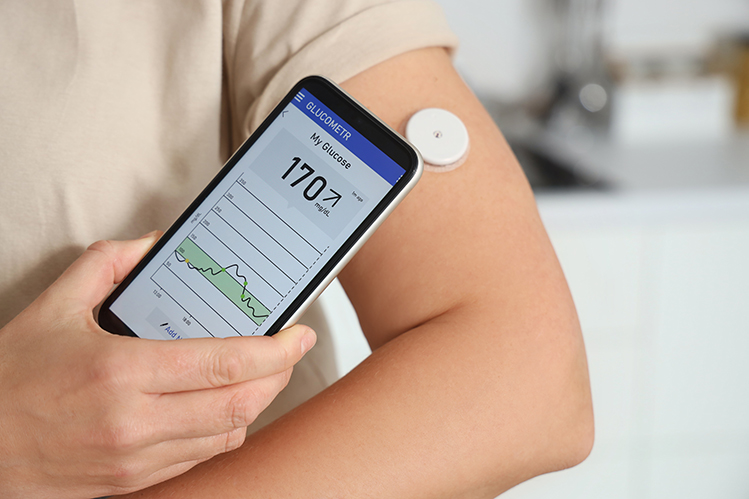
For individuals seeking a more detailed understanding of blood sugar behavior, continuous glucose monitoring (CGM) can provide valuable insight into how the body responds throughout the day.
Rather than relying only on isolated glucose readings, a CGM allows for a more dynamic view of how the body responds throughout the day in real time.
This can help identify patterns related to:
Food choices and meal timing
Stress and emotional load
Sleep quality and recovery
Physical activity and daily movement
When interpreted within the broader context of metabolic and hormonal function, these patterns can provide meaningful insight into how the body is adapting to daily inputs and demands.
The goal is not simply collecting data, it’s how daily behaviors and metabolic stressors shape glucose regulation over time.
Real People
Real Results
Moving Forward
If you are seeking a more comprehensive approach to blood sugar regulation and metabolic health, a discovery call is the next step toward understanding whether this framework is the right fit for you.